
The Companies You Want Rarely Trade.
Many of the companies investors most want to own stay private longer than ever. Their shares don’t trade on an exchange, and the people who hold them aren’t listing them publicly.
Buyers who go looking often meet the same obstacles: positions that are hard to verify, transfer rules nobody explained, and sellers who disappear when the company’s approval process begins.
Some try marketplaces; others wait for a fund that might include the company. Neither gives you a direct conversation with a holder who wants to sell.
What It Costs You
Access
The right holders aren’t easy to find, and the best positions rarely advertise.
Verification
Ownership, share class and transfer rights all need checking.
Approvals
A company’s right of first refusal can end a trade late in the process.
Time
Without a process, a promising trade can stall for months.
How Acquiring a Position Works
Acquiring a secondary position means buying existing shares from a current holder, rather than new shares from the company. The trade still needs the company’s transfer process, which often includes a right of first refusal.
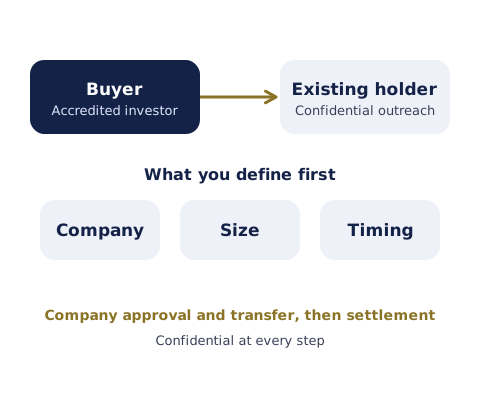
We start with what you’re seeking: the companies, the position size and your timing. We confirm your eligibility, reach out confidentially to holders in our network, and coordinate terms and approvals through closing.
We don’t publish available positions or company names. Every conversation starts privately, after eligibility is confirmed.
At a Glance
- Best for Accredited investors; qualified purchasers preferred
- Company value $500M+ enterprise value; most of our work is above $1B
- Position size $500K minimum
- Fees Competitive with industry standards
- Confidentiality Information shared only as needed
What Changes With a Process Behind the Trade
Hunting for holders one by one
Hear from holders who are ready to talk
Wondering whether a position is real
Move forward with ownership and transfer rights reviewed
Discovering the approval rules late
Know the company’s transfer steps before you commit
Negotiating without context
Negotiate with a clear view of the position and its terms
How an Acquisition Works
The buying side of The Modern Handshake Deal™.
01
Define What You’re Seeking
The companies, position size and timing you have in mind.
02
Confirm Eligibility
Verify accredited investor status. We work only with accredited investors, with a preference for qualified purchasers.
03
Find the Position
Confidential outreach to holders in our network.
04
Agree the Terms
Negotiate price and terms, and work through company approvals.
05
Close the Transaction
Documentation, settlement and the transfer of the shares.
Why Sell Side Securities™
Relationship-Led
The Modern Handshake Deal™ pairs technology that finds counterparties with relationships that close transactions. You work with people who know your position, not a listing form.
Confidential by Design
Outreach is discreet, and information about your position is shared only as needed with qualified counterparties. Company approval steps are explained before they happen.
Both Sides of the Trade
We work with sellers and with buyers, so we know what each side needs to reach a closing, and we keep the process moving when approvals take time.
Frequently Asked Questions
Who can buy private-company shares through you?
Accredited investors only, with a preference for qualified purchasers. We confirm eligibility before any introduction.
Can you show me which positions are available?
We don’t publish positions or company names. Tell us what you’re seeking, and once your eligibility is confirmed we’ll discuss what may be possible.
What happens if the company exercises its right of first refusal?
The company, or its designee, can buy the shares on the agreed terms instead, and the trade with you doesn’t proceed. We explain each company’s process before you commit.
Are private-company shares risky?
Yes. They can be illiquid, speculative and subject to transfer restrictions, and you could lose all or part of your investment. Consult your own advisors before investing.
Tell Us What You’re Seeking
Share the companies, size and timing you have in mind. We’ll reply by email, confirm eligibility, and discuss whether a transaction may be possible.